Pet Urine Removal in Palm Desert: How P.U.R.T. Reaches the Pad
SATURDAY, OCTOBER 3, 2026
Photo by Kellie Churchman on Pexels
Pet accidents rarely stay on the surface of a carpet. A dog or cat can return to the same corner for months before anyone notices the smell, and by that point the urine has moved well past the fibers you can see. That is why blotting, spraying, and scrubbing so often fail. The mess people clean up is usually not the mess causing the odor.
Solo Chem-Dry handles pet urine removal in Palm Desert with P.U.R.T., short for Pet Urine Removal Treatment. The treatment is designed to reach the layers beneath the carpet surface where urine collects, and to break down the stain and odor molecules instead of masking them. Understanding how that works explains why the results hold up longer than a store-bought spray.
Why Pet Urine Gets Past the Carpet So Fast
Pet urine soaks past the carpet surface quickly. It works into the backing, then into the pad, and eventually into the subfloor underneath. From above, all of that may look like one small damp patch that a towel can handle. Below the surface, liquid has spread outward and downward into materials a household vacuum or a hand scrub simply cannot reach.
This is the reason a carpet can smell fine for a day or two and then smell terrible again the next week. The carpet fiber dries quickly. The pad below it does not dry nearly as fast, so the odor source stays in place and keeps releasing smell into the room long after the surface looks clean. An enzyme spray from a pet store can help with a fresh accident that has not had time to settle. Once urine has moved into the backing and the pad, surface products are working on the wrong layer.
Many Palm Desert homes also sit closed up for long stretches with the air conditioning running, which means an odor problem in the pad tends to circulate rather than fade. Booking treatment early is almost always simpler than waiting to see whether the smell goes away on its own.
What P.U.R.T. Stands For and What It Does
P.U.R.T. stands for Pet Urine Removal Treatment. Its stated job is straightforward: it breaks down the stain and odor molecules left behind by pet accidents. Odor molecules are what your nose actually picks up. Covering them with fragrance, a stronger smelling cleaner, or a scented powder does not remove them, and it can make the smell harder to trace later.
Breaking down stain and odor molecules
Rather than layering a deodorizer over the spot, P.U.R.T. is applied so it can act on the compounds that create both the visible discoloration and the smell. Breakdown is the goal, not concealment. That difference shows up in the weeks after the visit, when a carpet that was treated this way tends to stay neutral instead of reverting to its old smell after the first humid day or the first time the room heats up.
Working below the surface where the pad sits
The reason the pad matters so much is that it holds liquid longer than the carpet above it. A treatment that only wets the top fibers leaves the reservoir underneath untouched. P.U.R.T. is used with the goal of reaching the backing, the pad, and any urine that has already made contact with the subfloor, which is where recurring odor usually lives. Solo Chem-Dry lists dog odors and cat urine odors among the problems this treatment is used to remove.
Photo by cottonbro studio on Pexels
The Cleaning Method Behind the Treatment
P.U.R.T. is delivered alongside Solo Chem-Dry's core cleaning method, Hot Carbonating Extraction. The process uses low moisture, and the company describes carpets as drying in hours rather than days. That matters in a desert climate where homeowners are used to same-day turnaround and do not want damp carpet underfoot overnight.
The solution used is described as non-toxic and EPA Safer Choice certified, which is a meaningful detail in households with pets and children. The same low-moisture approach is used across the company's other services, including upholstery cleaning, rug cleaning, tile and grout cleaning, leather cleaning, and granite countertop cleaning. If a pet has had accidents on a sofa or an area rug rather than wall-to-wall carpet, those surfaces can be addressed in the same visit.
Surface Products Versus P.U.R.T.
| What is being compared | Store-bought spray or blotting | P.U.R.T. treatment |
|---|---|---|
| How deep it works | Mainly the carpet fibers you can see and touch | Aimed at the backing, the pad, and the subfloor below |
| How odor is handled | Often masked with fragrance, so the smell can return | Breaks down the stain and odor molecules at the source |
| Best use case | A fresh, small accident caught right away | Settled stains, repeated accidents, and odor that keeps coming back |
| Residue and moisture | Depends on the product; some leave sticky residue that attracts dirt | Low-moisture extraction, with carpets described as drying in hours |
Dog Odors and Cat Urine Odors
Both dog odors and cat urine odors are listed among the problems Solo Chem-Dry removes. The two do not always present the same way. A dog tends to use a repeat spot, which makes the affected area easier to find. A cat may use several locations, including a closet corner or the edge of a rug, so the smell can seem to come from the whole room rather than one patch. A technician who knows what to look for can map those spots during the initial walkthrough, including areas that are not obvious by sight alone.
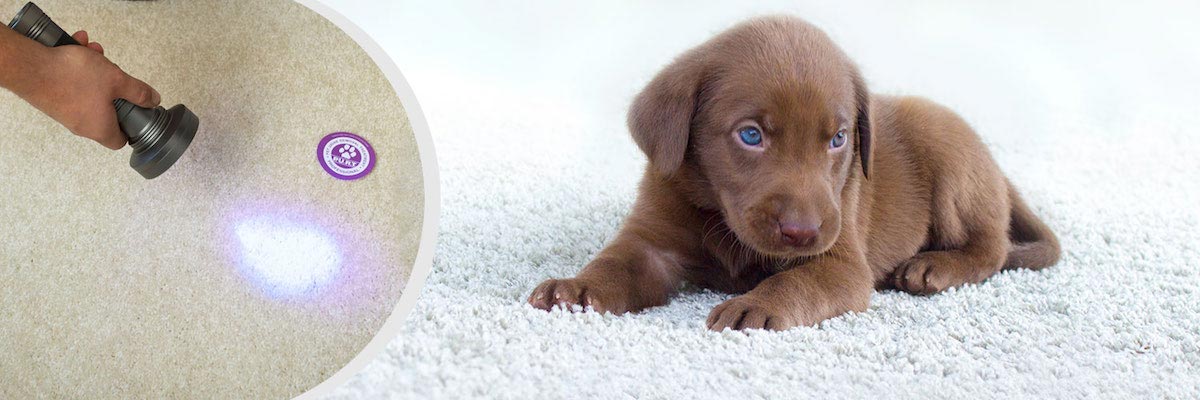
Pet accidents create odors even when the surface looks spotless, which is why a technician will often inspect with more than their eyes. Stains from a previous owner's pet are a common reason people call. One customer review of Solo Chem-Dry describes urine stain removal left behind by a prior owner's animals, and other reviews describe old, set-in pet stains being worked out of the carpet rather than simply freshened up.
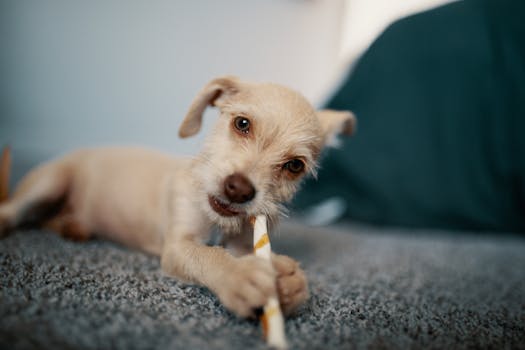
Photo by Josh Sorenson on Pexels
Signs the Carpet Needs Treatment
- The odor fades after you clean and then returns a few days later.
- A stain keeps reappearing as the carpet dries, even after repeated scrubbing.
- One pet keeps returning to the same spot no matter what you place over it.
- You moved into a home where animals previously lived, and the carpet has never smelled quite right.
- Guests notice a smell that you have stopped registering because you live with it daily.
- The odor is strongest in a room that stays closed up, such as a spare bedroom or a hallway.
None of these signs requires the carpet to be replaced. Whether the pad needs attention or replacement depends on how deeply and how long the urine has soaked, and that is something a technician can assess on site before any work begins.
Serving Palm Desert and the Coachella Valley
Solo Chem-Dry is based at 74804 Joni Dr, Ste 9A, Palm Desert, CA 92260, and can be reached at (760) 565-0062. The team provides free quotes and serves Palm Desert along with Palm Springs, Bermuda Dunes, La Quinta, and the greater Coachella Valley area.
Pricing depends on the size of the area being treated and how long the urine has been in place, so a quote is the only reliable number. For reference, a local service page for carpet cleaning in the area lists a range from about $149 to $500, which reflects how much scope changes the total. Confirm current rates directly with the company when you call.
Photo by Alexey Demidov on Pexels
What to Expect During the Appointment
- You describe where the accidents happened and point out any spots you are unsure about, including areas the pet used months or years ago.
- The technician inspects the carpet, the pad, and the areas around the visible stains to find what the surface is hiding.
- P.U.R.T. is applied so it can break down the stain and odor molecules in the affected layers rather than only on top.
- Hot Carbonating Extraction follows to lift loosened soil and moisture from the carpet, using low moisture so the room is not left soaked.
- The carpet is left to dry in hours rather than days, and you get guidance on what to watch for afterward.
The most useful thing you can do before the visit is leave the spots alone. Heavy scrubbing, steam, or a strong scented cleaner can spread the contamination further into the pad and make the original source harder to pinpoint.
Frequently Asked Questions
Why does my carpet still smell after I clean up the accident?
Because the urine has moved below the fibers you cleaned. It soaks past the carpet surface into the backing, the pad, and eventually the subfloor. Your cleaning reached the top layer only, so the odor source stays in place and keeps releasing smell. A treatment designed to reach the pad addresses the layer that surface cleaning misses.
Does the odor come back after professional treatment?
P.U.R.T. is designed to break down stain and odor molecules rather than cover them with fragrance, so the source is treated instead of masked. Results depend on how deeply and how long the urine soaked before treatment. If an area was saturated for a long period, the technician will tell you what to expect before starting.
Can old, set-in pet stains still be removed?
Often they can be improved significantly, and customer reviews of Solo Chem-Dry describe technicians working diligently on old, set-in pet stains left by previous owners' animals. Results vary with the age of the stain, the fiber type, and how far the urine traveled. An on-site inspection is the only way to get a realistic answer for your carpet.
Is the treatment safe for pets and children?
Solo Chem-Dry describes its cleaning solution as non-toxic and EPA Safer Choice certified, and the company lists safety for families and pets as a feature of its services. If anyone in the home has specific allergies or sensitivities, mention it when you book so the technician can plan accordingly.
Do I need to replace my carpet or pad?
Not automatically. Whether the pad needs replacing depends on how deeply and how long urine has soaked, and whether it has reached the subfloor. A technician can assess the affected area during the visit and tell you honestly if treatment will resolve the odor or if a section of pad should be replaced.
BACK TO BLOGS