

Oriental Rug Cleaning in Palm Desert
TUESDAY, SEPTEMBER 29, 2026

Photo by Tahir Xəlfəquliyev on Pexels
A hand-knotted wool rug that has moved with your family through three homes, or a silk Persian piece that anchors a Palm Desert living room, is not the same thing as a wall-to-wall carpet. Those rugs were made by hand, knot by knot, often over months. They hold dye, lanolin, and structure that respond badly to harsh chemistry, too much water, or the wrong kind of attention. Vacuuming at home helps, but it only reaches so far. In the Coachella Valley, fine rugs also fight dry air, fine dust, and relentless sun, and that combination does slow damage that shows up years later.
Solo Chem-Dry is a local Chem-Dry franchise serving Palm Desert, Palm Springs, and the greater Coachella Valley, and area and Oriental rug cleaning sits alongside carpet, upholstery, tile, stone and grout, leather, and granite care. The approach favors gentle handling of fibers and dyes rather than a one-size-fits-all wash. Here is what actually happens to wool, silk, and heirloom rugs in this climate, and why the cleaning method matters as much as the cleaning itself.
Why Desert Air and Dust Are Hard on Fine Rugs
Palm Desert homes sit in a dry, dusty environment. Windows open in spring, patio doors slide open in winter, and fine grit travels. That dust does not sit politely on top of the pile. It works its way down toward the foundation of the rug, where the knots and warp and weft live. Every footstep then grinds those particles against the fibers like sandpaper on a very small scale.
Low humidity adds a second problem. Wool naturally holds moisture, and when the air stays dry for months, fibers can feel stiff and brittle rather than springy. Add strong sunlight through south and west facing windows, and you have three forces working together: abrasive grit below, dry fiber within, and ultraviolet light above. Rugs that would age slowly in a coastal climate can age faster here. Regular professional cleaning is not vanity maintenance in the desert. It is how you remove the grit that causes the most damage.
What a Vacuum Can and Cannot Do
Home vacuuming is still worth doing. It removes loose surface soil, sand, pet hair, and crumbs, and it stops some of that material from grinding deeper. But it has clear limits on a hand-knotted rug.
- A vacuum lifts surface debris. It does not pull out the compacted dust and oily residue that settle near the base of the pile.
- Beater bars and rotating brushes can snag fringe, pull loose knots, and rough up the pile of an older or fragile rug.
- Silk and very fine wool can be abraded by aggressive suction and stiff bristles.
- Spills that were blotted still leave residue behind. That residue attracts new dirt and can darken the area over time.
- Pet accidents, red wine, and oily soils wick upward from the backing long after the surface looks clean.
In other words, a vacuum manages the top layer of the problem. It never addresses the layer underneath, which is where fiber damage and color dulling begin.
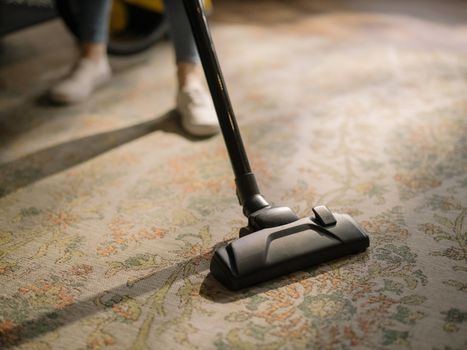
Photo by cottonbro studio on Pexels
Wool, Silk, and Heirloom Rugs Need Different Handling
Treating every rug the same way is the fastest route to an expensive mistake. A sturdy wool Hamadan and a delicate silk prayer rug have almost nothing in common when it comes to moisture, agitation, and drying.
| Rug type | What it generally needs | What to avoid |
|---|---|---|
| Wool, hand-knotted | Thorough dust removal, controlled moisture, full drying, gentle agitation | Harsh alkaline products, soaking, high heat drying |
| Silk and silk blends | Minimal water, low agitation, careful pH control, flat drying | Beater bars, heavy suction, prolonged wet time |
| Antique and heirloom pieces | Fiber and dye testing first, conservative cleaning, structural inspection | Anything untested, machine washing, rushed turnaround |
Wool Rugs
Wool is resilient, but it is also a protein fiber that reacts to chemistry. Strong alkaline cleaners can strip natural oils and leave wool feeling harsh and looking flat. Wool also holds water, which means drying time matters. A wool rug that stays damp too long in a warm climate can develop odor, mildew, and dye migration at the edges. The goal with wool is thorough soil removal paired with a controlled, complete dry.
Silk Rugs
Silk is where inexperienced cleaning shows immediately. It has a natural sheen that comes from the fiber structure itself, and that sheen can be dulled permanently by the wrong product or too much agitation. Silk also weakens when wet, so prolonged soaking is risky. Color in silk can move quickly, especially in reds and deep blues. Small, deliberate amounts of moisture and a fast, flat drying process protect both the look and the strength of the rug.
Antique and Heirloom Rugs
Older rugs carry more than beauty. They often have fragile foundations, previous repairs, or dyes that were never colorfast to begin with. A rug that is decades old should be inspected before anything touches it. That means checking the fringe, the selvage, the back, and any prior patching. Sometimes the honest answer is that a rug needs stabilization before cleaning, and a cleaner who tells you that is protecting your investment rather than padding the invoice.
Protecting Dyes, Fringes, and Foundation
Three parts of a rug fail first: the dyes, the fringe, and the foundation. Each one has its own vulnerability.
Dyes can bleed when moisture, heat, and time combine. Reds, deep blues, and certain vegetable dyes are the usual suspects. Careful cleaning controls how much moisture reaches the dye and how fast the rug dries afterward. Fringe is usually cotton or wool and takes the worst of foot traffic, so it frays and darkens long before the field does. Foundation threads hold every knot in place, and once they weaken, repairs become structural rather than cosmetic. Gentle handling and complete drying protect all three at once.
How Solo Chem-Dry Approaches Fine Area Rugs
Solo Chem-Dry uses a proprietary Hot Carbonating Extraction method along with a green-certified, non-toxic cleaning solution called The Natural. The method relies on carbonating action to lift soil rather than on heavy water volume, and that matters for rugs. Less standing water means less risk of dye movement, less risk of mildew, and faster drying in desert heat. For wool and silk, that combination of effective soil removal and controlled moisture is exactly the balance you want.
Because Solo Chem-Dry also cleans carpet, upholstery, tile and grout, leather, and granite across Palm Desert and the surrounding valley, the team works with a wide range of fibers and finishes. Rugs get the same careful attention, with an eye on fiber type, dye stability, and the condition of the fringe and edges before any work begins.

Photo by Mihman Duğanlı on Pexels
Free Pickup and Delivery on Orders Over $350
Moving a large hand-knotted rug is not a do-it-yourself job. Rolling a nine by twelve rug, getting it through a doorway, and fitting it into a vehicle without creasing the foundation is how rugs get damaged before they ever reach a cleaning facility. Solo Chem-Dry offers free pickup and delivery on orders over $350, so the rug travels properly and comes back properly, without a wrestling match in your driveway.
That service covers Palm Desert, Palm Springs, and the greater Coachella Valley. Scheduling pickup also gives you a chance to ask questions about fiber identification, anticipated drying time, and how your rug will be handled at each stage. If you have a rug you are unsure about, say so when you call. It is far better to flag a fragile antique up front than to discover its condition halfway through the process.
Choosing a Rug Cleaner in Palm Desert
The valley has no shortage of cleaning options, and the difference between them shows up in the details. Before you hand over a valuable rug, ask a few direct questions.
- How do you identify fiber type before cleaning, and what happens if a rug turns out to be silk or a blend?
- How is the rug dried, and how long does drying take in this climate?
- Do you test dyes for colorfastness before applying any moisture?
- What happens if a fringe or edge is already fragile?
- Is the cleaning solution safe for pets and children in the home?
- Is pickup and delivery included, and what is the minimum order for it?
A cleaner who can answer these plainly, without hedging, is a cleaner who has thought about fine rugs before. Vague answers about "special process" or "gentle methods" are not the same as specific ones about fiber, moisture, and drying.
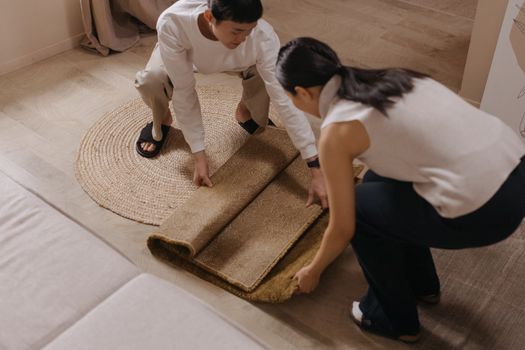
Photo by cottonbro studio on Pexels
Keeping Rugs Healthy Between Professional Cleanings
You can slow the desert's effects with a few habits at home. Vacuum with suction only, or use a vacuum without a beater bar, and go over the rug in both directions rather than pressing hard in one. Rotate the rug twice a year so sun exposure and foot traffic spread evenly. Use a quality pad underneath to cushion the foundation and reduce grinding. Blot spills immediately with a clean white cloth, working from the outside in, and avoid scrubbing, which pushes the stain deeper and roughens the pile.
Keep an eye on fringes and edges as well. Loose fringe is a warning sign, not a cosmetic issue. So is a ripple in the rug that will not lay flat, which can point to a moisture problem in the floor beneath. Catching these early keeps small repairs small.
Fine rugs in the Coachella Valley live in a demanding environment, and they deserve more than a quick pass with a vacuum. Between dry air, abrasive dust, and strong sun, wool, silk, and antique pieces need cleaning that respects fiber, dye, and structure. Solo Chem-Dry brings that care to Palm Desert and the surrounding valley, with free pickup and delivery on orders over $350. If your rug has lost some of its depth, its softness, or its brightness, professional cleaning is often the simplest way to bring it back.
Frequently Asked Questions
How often should an Oriental rug be cleaned in Palm Desert?
Most valley homes benefit from professional cleaning every couple of years, and rugs in high-traffic rooms or near open doors may need it more often. Dust accumulates faster here than in humid climates, so a rug can look fine while grit builds near the foundation. A cleaner can inspect your rug and give you a specific recommendation based on its fiber and use.
Can silk rugs be cleaned safely?
Yes, but silk requires minimal moisture, low agitation, and flat, fast drying. Silk fibers weaken when wet for long periods, and the natural sheen can be dulled by the wrong product. A cleaner experienced with silk will test dyes first and keep water contact brief. If someone proposes a standard machine wash for a silk rug, that is a reason to keep looking.
Will professional cleaning damage my rug's colors?
Dye bleeding is a real risk when moisture, heat, and time combine, particularly with reds, deep blues, and older vegetable dyes. Careful cleaning controls how much moisture reaches the dye and how quickly the rug dries afterward. Testing for colorfastness before cleaning, and drying completely and evenly, is what keeps colors where they belong.
Do you pick up rugs in Palm Springs and the Coachella Valley?
Solo Chem-Dry serves Palm Desert, Palm Springs, and the greater Coachella Valley, and pickup and delivery is free on orders over $350. That means your rug travels rolled and supported rather than folded into a car trunk. Ask about scheduling when you call so the pickup fits your week.
How can I tell whether my rug is wool or silk?
Silk tends to have a finer, denser knot and a distinct sheen that shifts with the light, while wool feels warmer and slightly more textured. Blends exist, which complicates guessing. The reliable answer comes from an inspection of the pile and backing by someone who works with fine rugs regularly, so bring it up at pickup.
BACK TO BLOGS