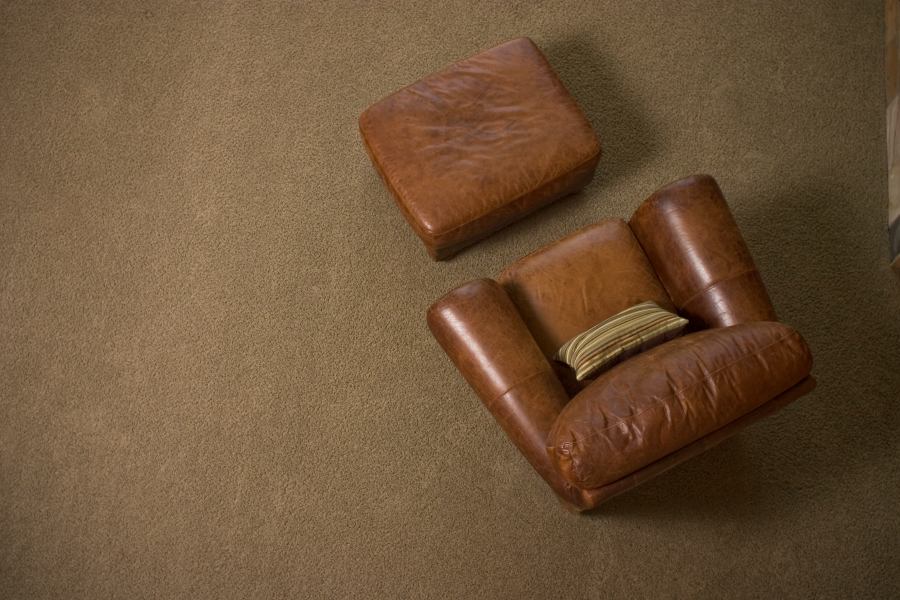

Leather Furniture Cleaning in Palm Desert
SATURDAY, OCTOBER 3, 2026

Photo by Leah Newhouse on Pexels
A leather sofa in a Palm Desert living room is rarely an impulse purchase. It is a considered one, chosen for a specific color and finish that anchors the whole room. The desert climate, though, is not gentle on leather. Heat, low humidity, airborne dust, and strong sun through west-facing glass all take a toll, and the soil that builds up over months is usually not the kind a household wipe-down can lift. Solo Chem-Dry provides professional leather cleaning for homes across Palm Desert, Palm Springs, and the greater Coachella Valley, using leather-appropriate products and a process built to protect the finish rather than strip it.
Why Leather Ages Differently in the Coachella Valley
Leather behaves a lot like skin. It holds a certain amount of moisture and oil that keep it supple, and when the air around it stays dry for long stretches, it slowly gives that moisture up. In an air-conditioned desert home, the indoor air can be just as dry as the air outside, and a leather sofa may sit in those conditions for years.
Add intense sun exposure and fine desert dust, and you get the two things leather handles least well: dehydration and abrasion. Sun through a window can dull a finish over time, while dust settles into seams, creases, and the grain itself. Every time someone sits down, that grit works slightly against the surface. None of it happens overnight, which is exactly why it is easy to overlook until the leather feels stiff or looks flat.
What Actually Builds Up on Leather Furniture
Visible dust is only part of the story. Leather in a lived-in home collects a mix of soils that are easy to miss individually but obvious together.
- Body oils from hands, arms, and the back of the head, which darken armrests and headrests.
- Sunscreen and lotion residue, common in a desert resort community where sun protection is a daily routine.
- Perspiration, which carries salts and oils into the grain.
- Airborne dust and fine sand that settles into stitching and creases.
- Cooking oils and airborne residue that leave a faint tacky film in open-plan kitchens and great rooms.
- Pet oils and dander on the seats and backs where animals rest.
Left alone, these soils oxidize and darken. They also hold grit against the finish, which is why a leather piece that looks merely a little tired often improves dramatically once it has been properly cleaned and conditioned.
Safety First: What Professional Leather Care Should Not Do
The most common worry leather owners raise is damage. They have heard stories about color lifting, cracking, or a finish that turned sticky after someone used the wrong product. Those outcomes are real, but they usually come from household all-purpose sprays, alcohol wipes, harsh detergents, or aggressive scrubbing, not from a trained technician working with products matched to that specific hide.
A proper leather service starts with identification and testing. The technician looks at the finish, checks how the surface responds in a discreet spot, and chooses products and agitation levels accordingly. Cleaning should leave the leather clean, evenly toned, and still flexible, with the original finish intact. If a piece already has cracked, peeling, or worn-through areas, no cleaning process will reverse that, and an honest provider will say so rather than promise something the material cannot deliver.

Photo by Beyza Kılıçdere on Pexels
Why Leather Type Matters Before Any Product Touches the Surface
Not all leather behaves the same way. Some hides carry a protective top finish that resists spills, while others are more absorbent and take on liquid quickly. Some have a matte, suede-like surface, and some are embossed or pigmented. Each reacts differently to moisture, pH, and agitation.
That is why a good leather visit includes a few minutes of assessment before any work begins. The useful question is not which cleaner a company uses, but how it decides what to use on yours. A provider who can answer that clearly understands the material rather than treating leather like just another upholstery fabric.
The Cleaning and Conditioning Process, Step by Step
- Inspection. The technician reviews the piece, notes worn or damaged areas, and identifies the finish type.
- Test area. A small, low-visibility spot confirms the product and method are appropriate.
- Dry soil removal. Loose dust and grit come up before any liquid is introduced, so the surface is not scrubbed against abrasive particles.
- Gentle cleaning. Leather cleaner is applied with controlled moisture and worked in with soft tools, section by section.
- Careful wipe-down. Residue and suspended soil are removed, with extra attention to seams and creases.
- Conditioning. This step replenishes what cleaning and daily life have drawn out, restoring a supple feel.
- Drying. Air circulation finishes the job. Leather should never be left damp or rushed with high heat.
- Review. The technician walks the piece with you and notes anything that may need specialist repair later.
Restoring Softness and an Even Appearance
Two complaints bring most leather owners to book a service: the leather feels stiff and dry, and the color looks uneven, with darker patches where people sit and lighter areas where sun hits.
Cleaning addresses much of the first problem by removing the film of soil and oil that makes leather feel tacky or rigid. Conditioning handles the rest, returning flexibility to the surface so it feels like leather again instead of cardboard. Even appearance usually improves as well, because a good share of what reads as discoloration is simply accumulated soil on high-contact areas.
Sun fading is a different matter. When ultraviolet light has genuinely bleached a section of leather, cleaning and conditioning will not bring the pigment back. That is a refinishing job, and the Coachella Valley has leather and vinyl repair specialists, including providers listed in La Quinta, who handle re-dyeing and finish repair. A cleaning technician can usually tell you which problem you are looking at.

Sofas, Couches, Sectionals, and Car Seats
Leather shows up all over a desert home: the main sofa or sectional, accent chairs, recliners, dining chairs, ottomans, and headboards. Each piece collects soil differently. A sofa takes the most wear on seat cushions and armrests, while dining chairs and ottomans tend to show edge wear and food-related soiling.
Vehicle interiors are another common concern. Leather car seats face the same desert conditions as your living room, plus heat buildup inside a parked car. Whether a company includes automotive leather in its service list varies by provider, so it is worth asking directly when you request your quote. If car seats are covered, mention the make and the current condition so the technician can plan accordingly.
Protection Between Professional Visits
What you do between cleanings has a real effect on how long the results last.
- Dust leather weekly with a soft dry cloth to keep grit from settling into the grain.
- Blot spills immediately with a clean absorbent cloth instead of rubbing.
- Keep harsh household cleaners, alcohol, and abrasive pads away from leather.
- Use window coverings during the harshest sun hours to limit fading on pieces near glass.
- Avoid placing leather in direct line with air conditioning vents, which speeds drying.
Some upholstery providers in the area also offer a fabric and leather protection treatment after cleaning, designed to help resist stains going forward. Ask what protective options are available when you book, and whether they suit your leather type.
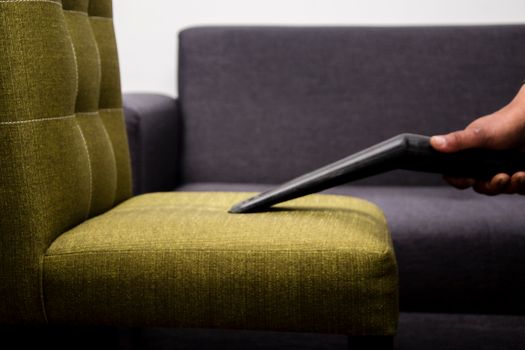
Photo by Jesus Arias on Pexels
Choosing a Leather Cleaning Provider in Palm Desert
The valley has no shortage of cleaning companies, and many work with the full range of upholstery materials found in luxury desert homes, from natural linen and silk to wool, velvet, performance fabric, and leather. That range is useful context, but leather deserves specific questions.
- How do you identify the leather type and finish before cleaning?
- Where do you test, and what happens if the test raises a concern?
- What products do you use, and are they appropriate for my leather?
- How long will the piece need to dry before we use it again?
- What do you recommend if the leather is already cracked or peeling?
- Can I see reviews from other leather customers in the area?
Clear answers matter more than a long list of claims. A provider who takes time with these questions is likely to take time with your furniture as well.
Booking Leather Furniture Cleaning in Palm Desert
If your leather sofa, sectional, or set of dining chairs has lost that supple feel or looks uneven in tone, the fix is usually a professional cleaning and conditioning visit rather than a replacement. Solo Chem-Dry serves Palm Desert, Palm Springs, and the surrounding Coachella Valley, and leather sits alongside upholstery, carpet, rugs, tile, and granite in its service lineup.
To get started, request a quote at solochemdry.com and describe what you have: how many pieces, the type of leather if you know it, and whether you are also asking about vehicle seats. Photos help. A short conversation about condition and expectations before the visit makes the appointment smoother and the results easier to judge. Then you can put the room back together knowing the leather was handled by people who understand it.
Frequently Asked Questions
Will professional cleaning damage or fade my leather?
Professional cleaning is designed to protect leather, not harm it. Damage usually comes from household sprays, alcohol wipes, harsh detergents, or hard scrubbing. A trained technician identifies the finish and tests a discreet area before using any product. Cleaning should leave the leather clean, evenly toned, and still flexible. Sun fading that has already bleached the pigment is a separate issue and may need a repair specialist.
How often should leather furniture be cleaned in Palm Desert?
There is no single schedule that fits every home. Dust, sun exposure, how many people use the piece, and whether pets share the sofa all shift the timing. Rather than guess, have a technician assess the leather and recommend an interval based on your actual conditions. Many owners find it easier to book a first assessment and plan from there.
Can you restore softness and color to dried-out leather?
Conditioning is the step that brings suppleness back. Cleaning removes the soil and oil film that makes leather feel stiff or tacky, and conditioning replenishes what daily life and dry desert air have drawn out. Appearance often improves too, because much of what looks like discoloration is accumulated soil on armrests and headrests. Genuine sun bleaching usually requires refinishing.
Do you clean car seats and other leather items?
Leather furniture is part of the service lineup, and vehicle interiors are worth asking about when you request your quote, since coverage varies by provider. If car seats are included, mention the make and the current condition so the technician can plan the right approach. The same heat and dust that age your sofa also age leather in a parked car.
What should I do if my leather is already cracked or peeling?
Cracked, peeling, or worn-through leather is a repair problem rather than a cleaning problem, and no cleaning process will reverse it. The Coachella Valley has leather and vinyl repair specialists, including providers listed in La Quinta, who handle re-dyeing and finish repair. Ask your cleaning technician to identify what you are dealing with so you can choose the right service.
BACK TO BLOGS